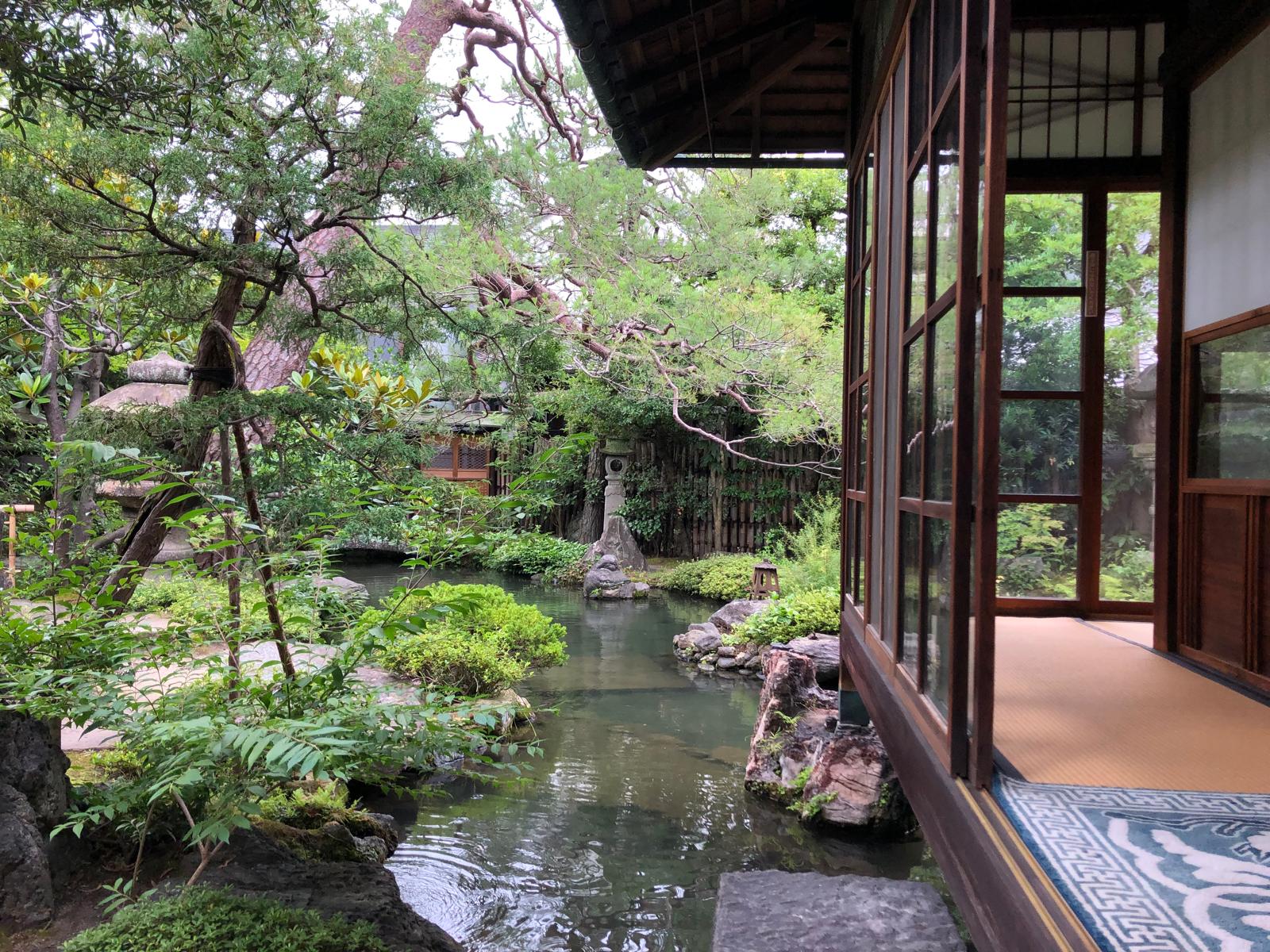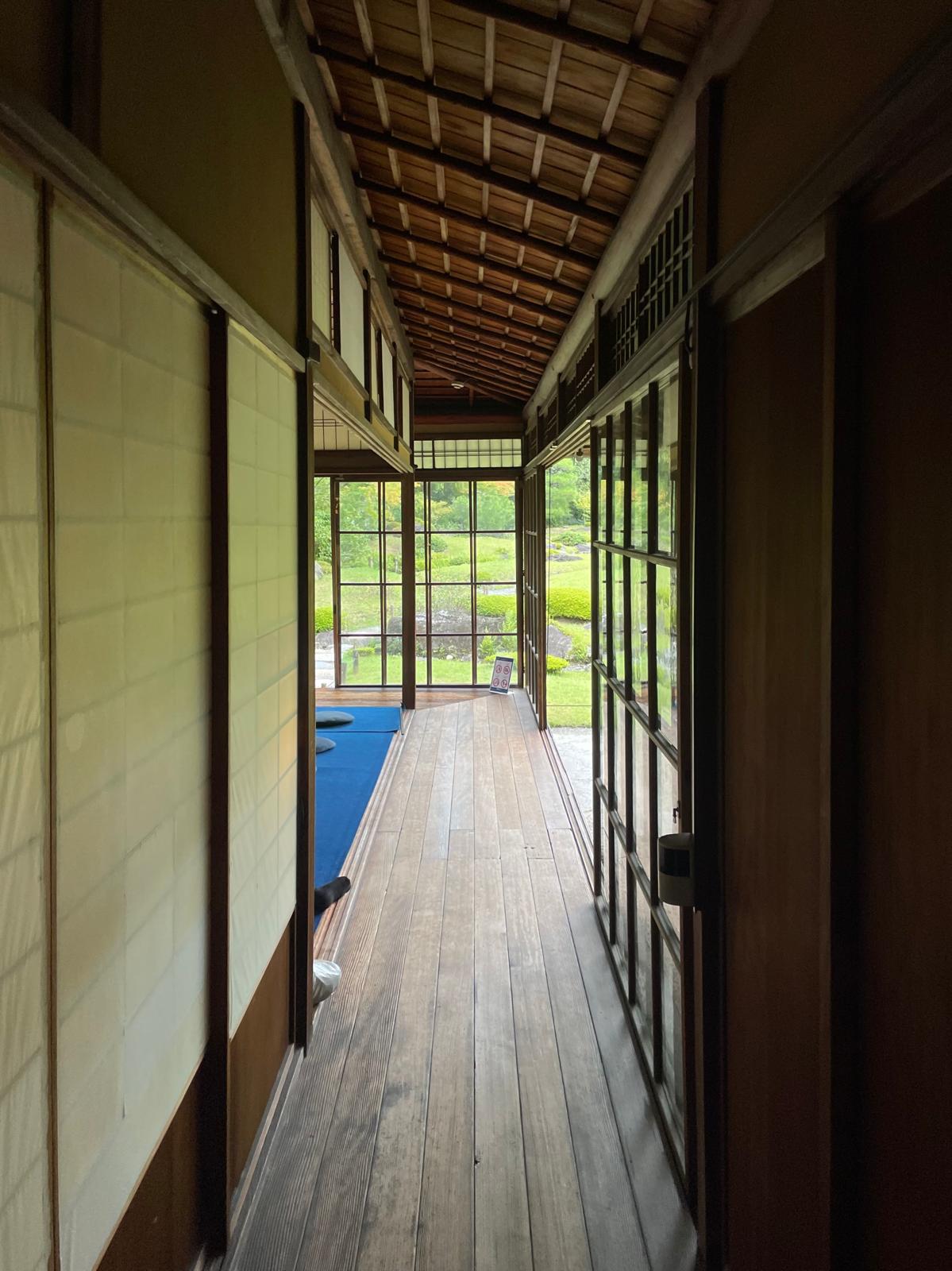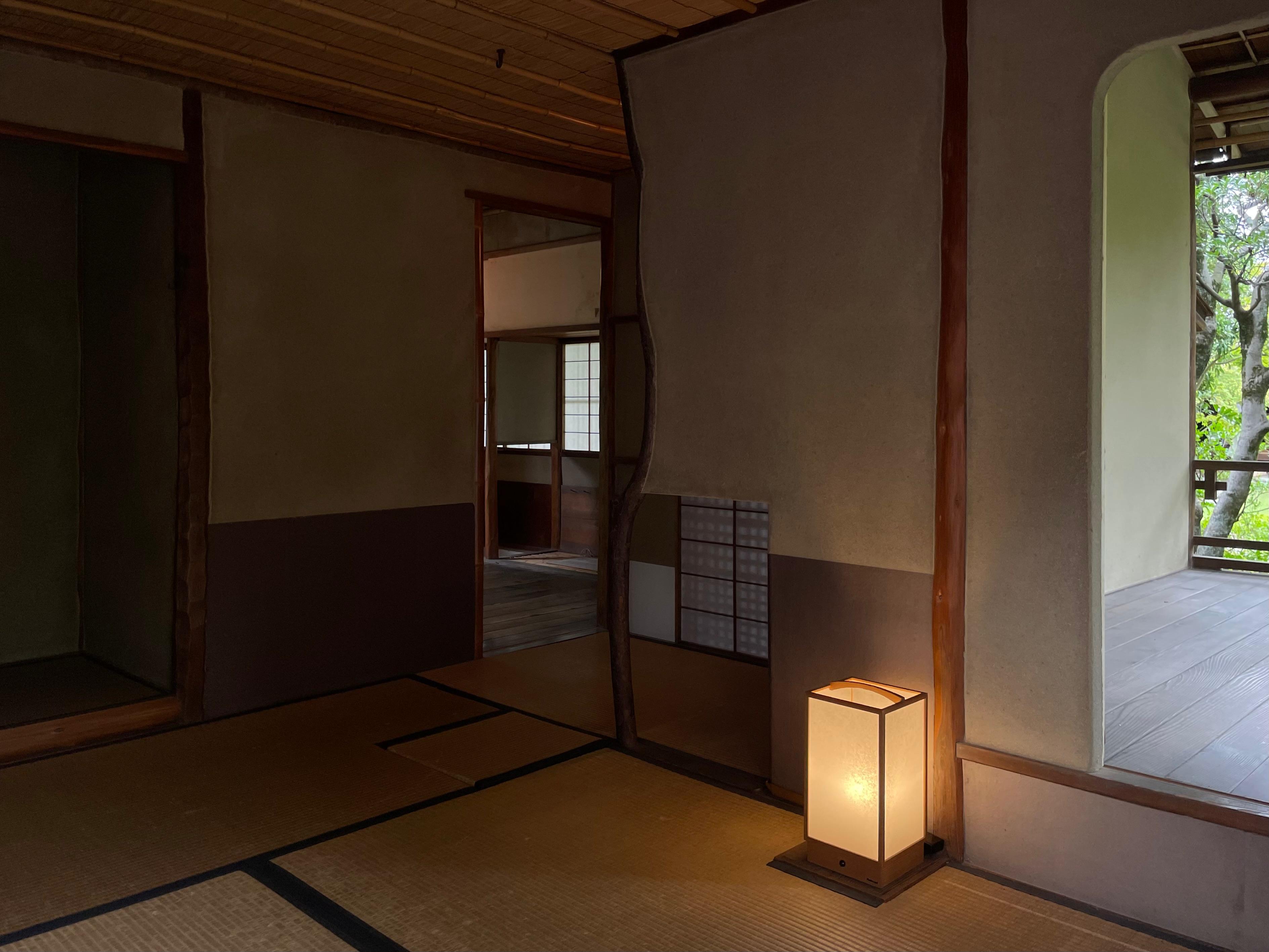
Chion-in Temple, Kyoto
Walking tours · Kyoto

Read Kyoto,
building by building.

A degree in architecture and a few years of research, turned into a tour which looks for answers in each building. Let's go beyond cliches and understand why Kyoto really looks the way it does.

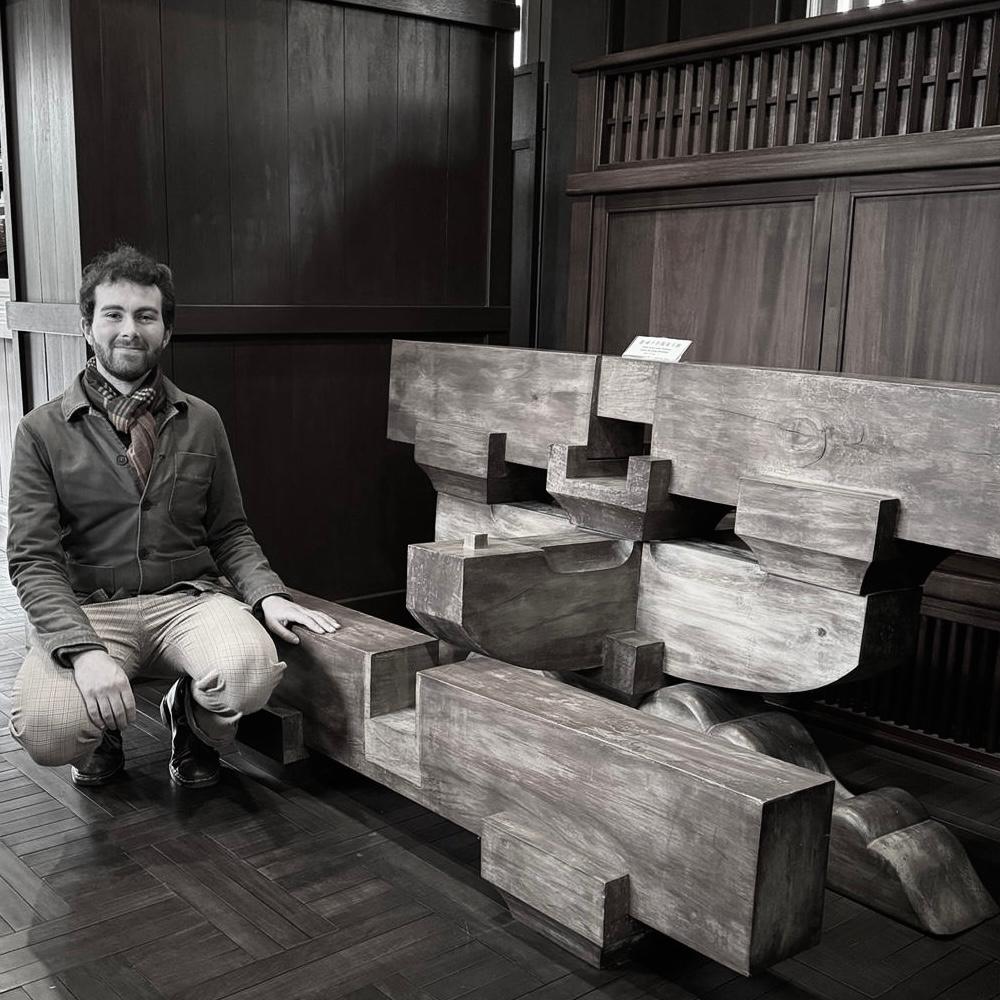
Patrik Malec at a Kyoto architecture site
About your guide

Hey, I'm Patrik Malec! I came to Kyoto on a career break from architecture, following a fascination with the city's history, politics, theatre and literature, and asked myself how these cultural aspects are reflected in the city's buildings, walls and streets. Why does Kyoto look the way it does? Come with me and find an answer in each building!

Each of my tours is based on a specific theme rather than an area — which means you will leave Kyoto with not just a memory, but a point of view. I avoid simple explanations and cliches. I drew heavily on sources encountered during my studies in Chinese and Japanese Studies at the School of Oriental and African Studies, University of London, local experts, as well as detailed observational approaches gained during my study of Architecture at The University of Hong Kong. If you have an interest in a particular aspect of the built environment not covered by the current tours, please get in touch!

Let's look behind the facade of Kyoto

Tours

Three half-day walks, each pairing a set of buildings in direct comparison — power, faith, and home.

Nijō Castle, Kyoto
Kyoto Imperial Palace, Shishinden hall
Half day · comparison

Emperor and Warrior: The Imperial Palace and Nijo Castle

¥10,000Per person
3-4 hrsDuration
2Stops
Up to 6Group size

A city can be seen as a stage on which powerful actors perform their might and influence. In Kyoto, Japan's most powerful lineages — the emperors and warlord shogunal governments — have done so through ritual, military might and architecture.

On this tour we will visit the two most prominent landmarks visible on any map of Kyoto — the official seats of the Tokugawa Shoguns at the 17th century Nijo Castle, and the old-new seat of a century of emperors. What do these spaces tell us about their beliefs, fears and desires, and what messages were they sending each other and the city at large?

This tour includes a 5 min. bus ride between sites.

  • 01
    Nijō CastleThe shogun's palace — authority built through architecture
  • 02
    Kyoto Imperial PalaceThe emperor's seat — legitimacy without military power
Chion-in Temple, Kyoto
Yasaka Shrine, Kyoto
Half day · comparison

Spiritual Spaces: Buddhism and Shinto

¥10,000Per person
3-4 hrsDuration
2Stops
Up to 6Group size

Two religious traditions, two distinct origins, one unique architectural interaction. Let's step through the torii gate and the bell tower and understand how temples and shrines have evolved, influenced one another and other sites across the city.

We will visit two very important Buddhist and Shinto sites. Chion-in Temple is the head of the Jodo Sect, comprising seventeen halls and five gates (including the largest in Japan) — it is a masterpiece of 17th century Buddhist architecture and landscaping. Yasaka Shrine predates Kyoto (although most of its current buildings are from the seventeenth century) and continues to be one of the city's most important religious sites.

  • 01
    Chion-in TempleHead temple of the Jodo Sect — seventeen halls and five gates
  • 02
    Yasaka ShrineShinto architecture, organized around approach and threshold
Kawai Kanjiro's House, Kyoto
Namikawa Cloisonné Museum, Kyoto
Murin-an villa and garden, Kyoto
Half day · comparison

Nation at Home: Three Early Modern Houses

¥10,000Per person
3-4 hrsDuration
3Stops
Up to 6Group size

As Japan began to modernise during the 19th century, Japan's ancient city was confronted with the world. The question of how to be modern yet Japanese emerged for architects and home-builders.

On this tour we will visit three stunning homes in Eastern Kyoto, now open to the public, each with a different approach to this question. Whereas Namikawa and Kawai, both artists, aspired to a Japanese vernacular sensibility, the politician Aritomo strove to combine Japanese and Western aesthetic under one roof.

This tour includes a 10 min. bus ride between sites.

  • 01
    Kawai Kanjiro's HouseAn artist's home built around a Mingei folk-craft sensibility
  • 02
    Namikawa Cloisonné MuseumHome and garden of cloisonné artist Namikawa Yasuyuki
  • 03
    Murin-anYamagata Aritomo's villa — Japanese and Western design under one roof

Not sure which tour fits?

Tell us how much time you have and what you're most curious about — we'll help you pick.

Contact us
Guest experiences

Testimonials

No reviews yet. Once guests start booking, their reviews will appear here. Below is a preview of how they'll be laid out.

[Guest quote will go here]

Placeholder — Guest name, month

[Guest quote will go here]

Placeholder — Guest name, month

[Guest quote will go here]

Placeholder — Guest name, month

Be one of our first guests

Book a tour and help us fill this page.

Contact us
Get in touch

Plan your tour

Tell us your preferred date and group size, and we'll confirm availability directly by email.

Details

Reach us directly

Email
patrik.malec@yahoo.com
Tours
Three tours available, ¥10,000pp — see above for details
Group size
Private and small groups, up to 6 guests
Language
English

This opens your email app with the message pre-filled, addressed to patrik.malec@yahoo.com — nothing is sent automatically.